

Health and wellbeing encompass the holistic state of an individual, reflecting not only physical fitness but also mental, emotional, and social dimensions. It involves maintaining a balance that enables individuals to thrive in their personal and professional lives. In the context of organizations, health and wellbeing extend beyond the absence of illness to encompass a positive work environment that supports employees in achieving their full potential. This includes promoting physical wellness through initiatives like fitness programs and ergonomic workspaces, addressing mental health through counselling services and stress management, fostering social connections within the workplace, and acknowledging the importance of work-life balance. Overall, health and wellbeing represent a comprehensive approach to supporting individuals in leading fulfilling lives, both within and outside the workplace.
Key components of health and wellbeing in organizations include:
- Physical Health:
- Encouraging a physically healthy workplace involves initiatives such as providing access to fitness facilities, promoting regular exercise, offering ergonomic workstations, and encouraging healthy eating habits. Some organizations may also provide health screenings or wellness programs to address specific health issues.
- NHS Employers provides information on health and wellbeing initiatives in the NHS, including resources on promoting physical activity: NHS Employers – Health and Wellbeing
- Some organisations may provide culturally sensitive health promotion initiatives. Check with your local health authorities and community organizations that serve the African diaspora.
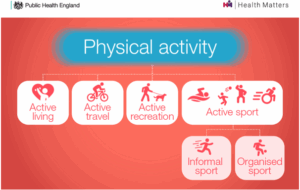
There are 3 elements of the physical activity guidelines:
- strengthening activity
- cardiovascular activity
- sedentary time
You can get more insight about physical activity here. Health matters: physical activity – prevention and management of long-term conditions
- Mental and Emotional Wellbeing:
- Recognizing and addressing mental health is a crucial aspect of organizational wellbeing. This can involve creating a stigma-free environment where employees feel comfortable discussing mental health concerns. Employers may offer employee assistance programs (EAPs), counseling services, stress management workshops, and training programs to promote mental resilience.
- Mind, a mental health charity, provides resources and support for mental health in various communities: Mind – Black, African and Caribbean communities Mind – Workplace Wellbeing
- The Black, African, and Asian Therapy Network (BAATN) can be a resource for finding culturally competent therapists: https://www.baatn.org.uk/
- Work-Life Balance:
- Supporting work-life balance is essential for employee satisfaction and long-term productivity. Organizations can implement policies such as flexible working hours, remote work options, and paid time off to help employees manage their professional and personal lives effectively.
- The UK government’s official website provides information on work-life balance rights and policies: uk – Work-life balance and flexible working
- Explore workplace flexibility initiatives and guidance from organizations like Business in the Community (BITC): BITC – Workwell
- Social Wellbeing:
- Fostering a sense of community and social connection within the workplace is important for employee wellbeing. This can involve organizing team-building activities, social events, and creating spaces for informal interactions among employees.
- The Chartered Institute of Personnel and Development (CIPD) offers insights into building social connections at work: CIPD – Social Connection at Work
- Engage with local African and Caribbean community organizations and events. Social connections within cultural communities can contribute significantly to overall wellbeing.
- Financial Wellness:
- Recognizing the impact of financial stress on employees, some organizations provide resources and education on financial wellness. This may include seminars on budgeting, saving, and planning for the future.
- The Money Advice Service, an initiative by the UK government, provides resources on workplace financial wellbeing: Money Advice Service – Workplace Wellbeing
- The Money Charity provides resources on financial education and may be a helpful resource: The Money Charity
- Health and Safety Measures:
- Ensuring a safe and healthy physical work environment is fundamental. This includes compliance with health and safety regulations, providing necessary safety equipment, and actively promoting a culture of safety.
- The Health and Safety Executive (HSE) is the UK government agency responsible for health and safety at work. Their website offers comprehensive information: HSE – Workplace Health
- The Health and Safety Executive (HSE) provides guidelines on workplace health and safety. Local councils and community organizations may also offer support.
- Leadership and Organizational Culture:
- Leadership plays a crucial role in setting the tone for a healthy workplace. A supportive and empathetic leadership style contributes significantly to employee wellbeing. An organizational culture that values and prioritizes wellbeing will be reflected in policies, practices, and day-to-day interactions.
- The Institute for Leadership and Management (ILM) provides resources on leadership development and workplace culture: ILM – Leadership Resources
- Chartered Management Institute (CMI) offers resources on leadership development that may be adapted for a culturally diverse workforce: CMI
- Employee Benefits:
- Offering a comprehensive benefits package, including health insurance, mental health coverage, and other perks, demonstrates an organization’s commitment to employee wellbeing.
- Consider working with employee assistance programs (EAPs) that provide culturally sensitive support. Consult with healthcare providers and insurers with a focus on inclusivity.
- The Department of Health and Social Care (DHSC) in the UK may provide information on employee benefits specific to the healthcare sector: https://www.gov.uk/government/organisations/department-of-health-and-social-care